I was on a call this week with an entrepreneur getting ready for the big launch of his product, and he told me he'd mostly been posting blog posts generated by ChatGPT, then turning them into matching LinkedIn and Facebook posts.
What I told him is what I want to tell you: "No one cares about your product. They care about you as a human and the problem you're solving for them."
That idea is what makes founder-led marketing work, and it matters more right now than it ever has, because AI can write product copy for anyone and only you can tell people why you're building what you're building.
Why doesn't anyone care about my product?
Your product matters a lot to you because you live with it every day. To someone scrolling LinkedIn it's one more thing being sold to them, and they've already scrolled past plenty of those today.
Media Dynamics found the average person is exposed to about 362 ads a day and only notices 153 of them. Your feature announcement is competing with all of that, and most of it gets ignored.
What people actually stop for is a person. They want to know who you are and whether you really understand the problem they're having.
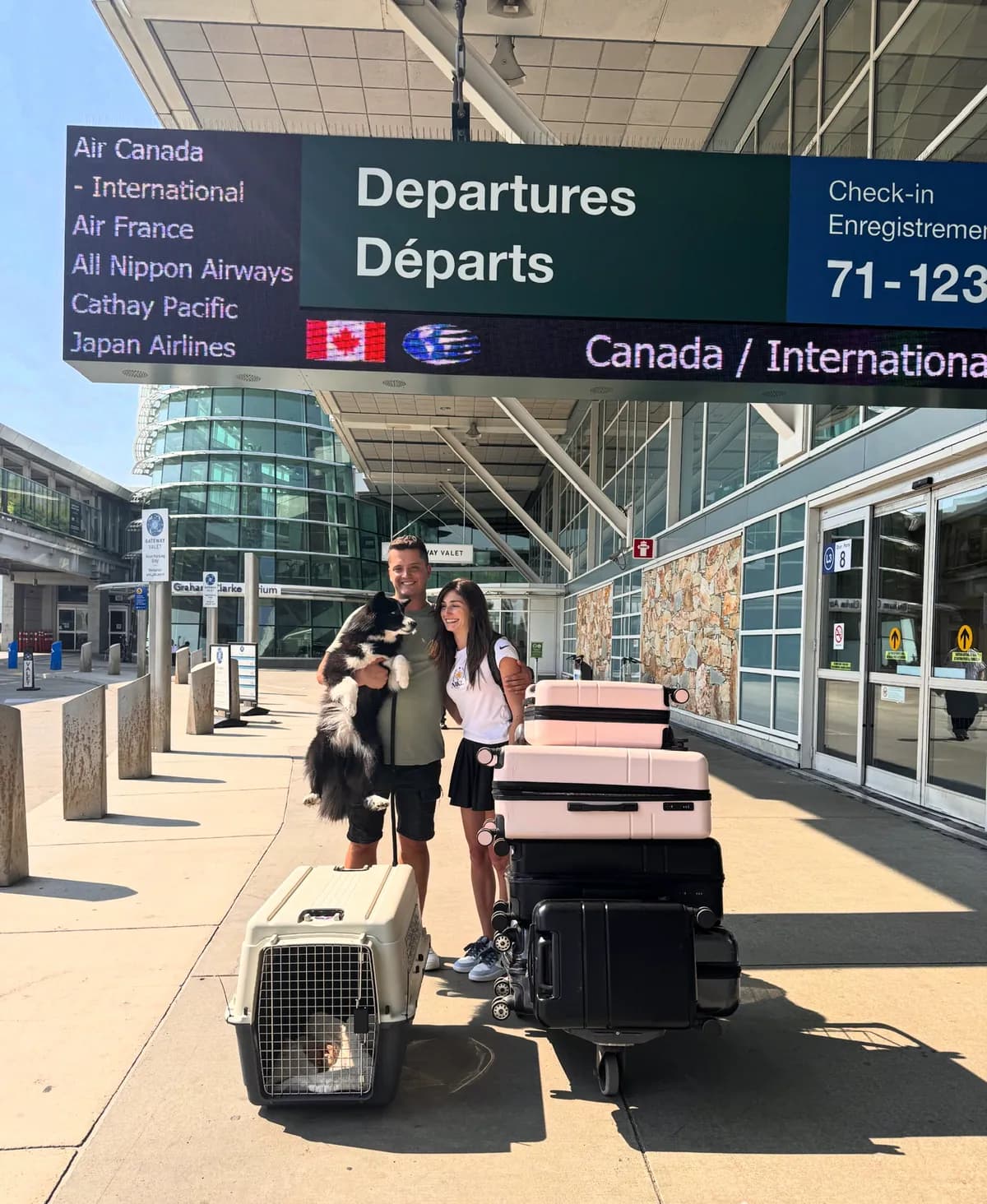
The best proof I have is my own LinkedIn. One of my biggest posts was a picture of me, my girlfriend and our dog at the airport, where I shared the story of why we were leaving Canada, my home country. It got about 600,000 views, and people are still finding it a year later.
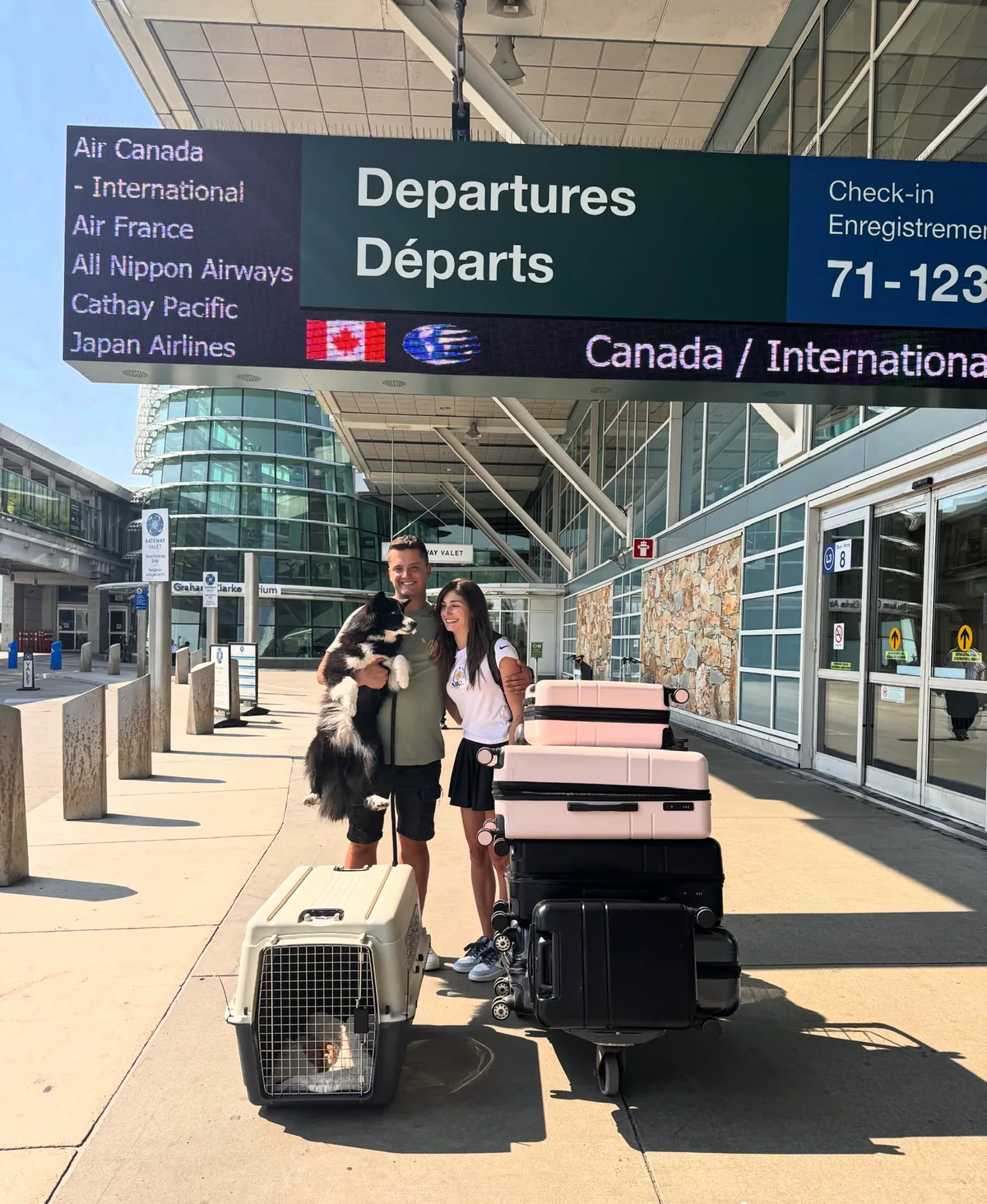
That post helped people understand me at a human level in a way the rest of my content never did. Showing your why and bits of your personal life is how people build an affinity with you, and that affinity is where trust comes from.
Why does founder-led marketing matter more in the age of AI?
Anthropic CEO Dario Amodei told The Wall Street Journal at Davos that AI could soon be "better than almost all humans at almost everything." In the same interview he asked, "How do humans find meaning?"
If that happens, what people will still look for is the human behind the work and the reason they're doing it. That's why I think we're in the meaning economy now. Anyone can generate a polished landing page in an afternoon, so polish tells a buyer very little, and what's left for them to judge you on is your story and your reasons for building.
Trust is also low. The 2026 Edelman Trust Barometer found that 7 in 10 people are unwilling or hesitant to trust someone who is different from them, so they need to see enough of you to find what you have in common. A real story about your life does that much faster than a product page ever will.
What personal stories should founders share?
You don't need to overshare to do this well. You just need to let people see the parts of your life that explain why you're building this. These are the kinds of stories I'd start with:
- The moment you saw the problem up close, whether it hit a customer, a boss or your own business.
- A big life decision and why you made it. My airport post was exactly this.
- A mistake you made building the company and what you changed afterwards.
- Your background before the company, like the years you spent in the industry you now sell to.
- A behind-the-scenes look at your team or your week.
- A take on your industry that you believe and most people don't.
The founder from my call already has a great one. Everybody in his space is trying to replace the humans, and he's trying to empower them. That one sentence tells you who he is and what he believes before you ever see his product.
How do I find my why as a founder?
Most founders know their why, but they've never put it into plain words. Before you write anything, try answering these questions out loud or into a voice memo:
- What was happening in your life when you decided to start this?
- What frustrated you enough that you decided to fix it yourself?
- Who are you building this for, and what do you want their day to look like after?
- What would you keep working on even if the company never took off?
Talking first and writing second helps because it keeps your real words in the post. Your answers can easily become your first few posts.
What formats work best for founder-led content?
You don't need a studio or a content team. Pick one or two of these and stick with them for a while:
- A real photo of you with a short story underneath. The airport post was just that.
- A longer LinkedIn post with an image and a strong hook, with your thesis coming through. On the call I suggested about 800 words for this kind of post.
- A short video of you explaining the problem in your own words.
- A newsletter or blog post that goes deeper on one belief.
- Industry data with your honest opinion on what it means for your customers.
Whatever format you pick, describe the problem your customers are having in their words before you mention a single feature. If the first few lines of a post could sit on any company's website, rewrite them until they could only come from you.
Can I use AI for founder-led marketing?
Yes. Let AI help with the structure and the editing, but write the story part yourself, because that's the part people can tell. I put my full process into a guide on how to make AI writing sound human, and the skill is included so you can use it yourself.
The other half is making sure everything you publish still sounds like you and your brand. I wrote about that in why brand-aligned marketing wins, because content that doesn't match who you are gets lost in the noise really fast.
When doesn't founder-led marketing work?
Personal stories get people to pay attention, and you still need a product that solves the problem once they do. If the product isn't there yet, fix that first.
Every post doesn't need to be personal either. Mix in company news and industry takes so people learn what you do as well as who you are. Keep what's private private, and share the parts that explain your why.
It also takes patience. Putting yourself out there is kind of stressful, and some of these posts won't get the traction you want, but you just keep going.
What should I do this week?
- Write one post about why you're building this, and start with the moment you saw the problem up close.
- Use a real photo of you or your team instead of a stock or AI image.
- Share a take on your industry that goes against the grain.
- Describe the problem your customers are having in their words before you mention a single feature.
- Let AI help with the structure, but write the story part yourself.
That founder from my call had everything he needed to stand out and was handing the most important part to ChatGPT. You probably have a story like my airport post sitting in your camera roll right now, so pick one, write it in your own words and post it this week. My airport post is still getting found a year later, and yours could be the one people keep finding too.
If you want help shaping your story into a brand people trust, here's how I work with founders on brand strategy.